

What Is Coconut Wax? A Maker’s Definitive Guide to Clean Burning
Quick Summary
- Coconut wax is a renewable candle wax produced by cold-pressing raw coconut meat and hydrogenating the extracted oil into a stable solid.
- Pure hydrogenated coconut oil features a low melting point between 34°C and 42°C, which requires blending with harder botanical waxes like rapeseed for container stability.
- Standard 220g candles poured with a coconut and rapeseed blend achieve a burn time of approximately 45 hours without petroleum paraffin additives.
- Botanical coconut waxes hold up to 10% fragrance oil loads while meeting strict soot standards under European specification EN 15426.
Coconut wax has quickly earned a reputation among candle makers and shoppers as one of the cleanest, slowest-burning waxes on the market. In this practitioner’s guide, we unpack what coconut wax actually is, how raw coconut oil transforms into candle wax, and how it performs against common alternatives.
Many commercial candle manufacturers rely on petroleum paraffin or intensive monoculture soy. In contrast, our workshop takes a different path. We use our own coconut and rapeseed wax blend, nothing else added, for a slow and clean fragrance release. We are soy-free and paraffin-free by choice. Below, we explain the science behind this choice, provide technical pouring benchmarks, and share practical testing insights from our Nottingham studio.
What Is Coconut Wax and How Is It Made?
Coconut wax is a solid plant wax derived from the fruit of the coconut palm (Cocos nucifera). The production process starts by harvesting mature coconuts and cold-pressing the dried white meat (copra) to extract raw coconut oil. Because unrefined coconut oil liquefies at roughly 24°C (75°F), processors must chemically solidify the triglycerides into a workable candle material.
Refiners achieve this solidification through controlled hydrogenation. During this step, hydrogen gas bubbles through the oil under high pressure and temperature, converting unsaturated fatty acids into saturated fatty acids. The standard criteria for coconut oil feedstocks follow the international food and purity definitions established in Codex Alimentarius STAN 210-1999 .
Hydrogenation raises the melting point of the glycerides to approximately 34°C–42°C. While hydrogenated coconut oil burns cleanly, it remains too soft on its own to form a freestanding candle or survive warm summer transport. Consequently, makers blend coconut wax with firmer plant waxes. We combine our coconut wax exclusively with UK- and European-grown rapeseed wax to increase structural hardness while avoiding paraffin and soy entirely.
Coconut Wax Compared with Soy, Beeswax, and Paraffin
Choosing the right candle medium requires evaluating burn time, fragrance diffusion, soot generation, and environmental footprints. No single raw material fits every purpose, but testing highlights stark differences across four primary waxes.
| Wax Type | Source Material | Typical Melt Point | Scent Throw (Cold & Hot) | Common Drawbacks | Ideal Application | | :— | :— | :— | :— | :— | :— | | Coconut Wax (Blended) | Palm-free coconut oil + rapeseed | 48°C – 52°C | Excellent cold and hot throw | Soft consistency; requires careful wick sizing | Luxury scented container candles and melts | | Soy Wax | Hydrogenated soybean oil | 49°C – 54°C | Moderate hot throw; variable cold throw | Prone to surface frosting, tunneling, and sinkholes | Mass-market jar candles | | Paraffin Wax | Petroleum refining byproduct | 46°C – 68°C | Strong throw; easy fragrance binding | Petroleum origin; soot emissions; poor indoor air quality | Budget candles, industrial tapers | | Beeswax | Honeybee honeycomb glands | 62°C – 65°C | Gentle, natural honey scent (masks oils) | High cost; non-vegan; limits delicate fragrance work | Natural pillars, religious tapers |
Combustion and Air Quality Standards
When evaluating candle emissions, testing laboratories assess soot generation and fire stability under strict regulatory frameworks. In Europe, safety standards EN 15426 (soot release) and EN 15493 (fire safety) govern indoor combustion limits . Similarly, the American standard ASTM F2417 establishes flame height and secondary ignition thresholds.
Paraffin wax consists of straight-chain hydrocarbons refined from crude oil. Although paraffin releases strong scent rapidly, it produces measurable black carbon when a wick flickers or burns unevenly. Conversely, botanical coconut wax burns with exceptionally low particulate emissions. You can read our detailed comparison in why choose coconut wax over soy uk: The Definitive Reference to see why botanical alternatives protect home air quality.
Scent Throw and Molecular Binding
Fragrance release occurs in two phases: cold throw (the aroma at room temperature) and hot throw (the scent dispersed during active burning). Coconut wax features a lower crystalline density than soy, allowing fragrance oils to dissolve smoothly throughout the lipid matrix. It easily binds up to 10% to 12% fragrance oil concentrations compliant with the International Fragrance Association (IFRA) standards without sweating or curdling.
Soy wax often forms stubborn polymorph crystals known as frosting, which trap aroma compounds and dampen throw. Paraffin releases scent aggressively, but its synthetic combustion profile irritates sensitive airways. Coconut wax provides a gentle, gradual diffusion curve that maintains scent fidelity from first light to the base of the jar.
Practical Candle Making with Coconut Wax: Workshop Benchmarks
Working with botanical waxes demands methodical temperature control and systematic burn testing. In our Nottingham workshop, we pour every batch by hand to maintain strict control over wax finish, cooling curves, and fragrance dispersion.
Our founder Matthew Romane explains the learning curve every artisan navigates when working with natural plant waxes versus petroleum alternatives:
“In my own opinion from starting a candle business paraffin wax in the easiest for beginners as it sets smooth without having to wait for the correct temperature to be reached, unlike plant based waxes where you need to mix fragrance oils at a certain temperature and wait again for the correct poring temperature and you can find the best percentage of fragrance oil to add to suit your needs. So once you’ve got the hang of understanding the basics on candle making using paraffin then you will find it much easier to move on to explore all the different types of waxs.”
To master coconut wax blends, candlemakers must observe specific technical thresholds:
- Melting: Heat the coconut-rapeseed wax flakes gently to 70°C–75°C using a double boiler or thermostatically controlled melter. Never overheat beyond 85°C to avoid degrading the plant triglycerides.
- Fragrance Addition: Add your chosen aromatic oil at approximately 65°C. Stir smoothly and continuously for two full minutes to guarantee complete molecular dispersion.
- Pouring Temperature: Pour between 50°C and 55°C into clean, pre-warmed glass vessels. Pre-warming glass jars to roughly 30°C prevents thermal shock and guarantees pristine glass adhesion.
- Curing Time: Allow container candles to cure undisturbed at room temperature (20°C–22°C) for at least 48 to 72 hours before lighting. A full 7-day cure ensures optimal hot throw.
Wick Selection and Burn Testing
Because coconut wax has a low melting point and a creamy melt pool, standard wick charts for soy or paraffin will not work. Heavy wicking causes deep melt pools that overheat the container, violating the thermal criteria of EN 15494 product safety labels. Undersized wicking causes tunneling, leaving wasted wax along the jar walls.
For our standard 220g jars, we utilise unbleached cotton wicks interwoven with fine paper filaments. Our wicks are completely zinc-free and lead-free. Each new fragrance oil combination undergoes comprehensive wick selection and burn testing across multiple four-hour burn cycles to confirm the flame stays steady, self-trims naturally, and burns for approximately 45 hours. For further container maintenance steps, explore Master Candle Care Tips: The Maker’s Guide to Clean Burning.
Sourcing, Sustainability, and Ingredient Transparency
As interest in plant-based candles surges, discerning consumers must scrutinise supplier claims. Not all commercial “coconut wax” on the market is pure. Many wholesale distributors label waxes as “coconut blend” when the block contains up to 70% cheap paraffin or hidden palm stearin to keep production costs low.
To evaluate true environmental sustainability, makers must demand coconut oil supply-chain traceability. Reputable suppliers validate their feedstocks against the Rainforest Alliance Sustainable Agriculture Standard or equivalent mass-balance certification programs. Independent regulatory bodies such as the Philippine Coconut Authority (PCA) and the Asian and Pacific Coconut Community (APCC) help oversee agricultural standards across major producing regions.
Unlike annual soy monocultures that require intensive pesticide applications, deforest native prairie, and rely on genetically modified seed stocks, coconut palms are perennial trees. Smallholders cultivate coconut palms on mixed agricultural parcels, supporting biodiversity without seasonal soil tilling. In our workshop, we select coconut wax blended only with non-GMO European rapeseed wax. This pairing delivers a completely soy-free, paraffin-free, palm-free, and beeswax-free candle that burns clean from rim to base.
For pet owners seeking aromatic home fragrances, understanding carrier mediums is equally critical. You can learn more about animal olfactory safety in our guide on are coconut wax candles safe for pets? A Definitive UK Guide.
Troubleshooting Common Coconut Wax Pouring Issues
Even experienced artisans encounter pouring defects when learning the thermal nuances of coconut wax. Here is how to diagnose and correct the three most frequent issues:
Preventing Surface Cracking and Sinkholes
Deep sinkholes around the wick occur when the top layer of wax cools and contracts faster than the molten core. To prevent cavity formation, pour your jars in a draft-free workspace maintained between 21°C and 23°C. If minor surface imperfections appear, smooth them with a short pass of a craft heat gun on its lowest setting.
Eliminating Wet Spots and Poor Adhesion
Wet spots are optical illusions caused by sections of wax pulling away from the glass interior as the candle cools. While they do not impair burn performance, you can eliminate them by washing glassware thoroughly with isopropyl alcohol and warming jars to 35°C prior to filling.
Controlling Flame Flickering and Soot
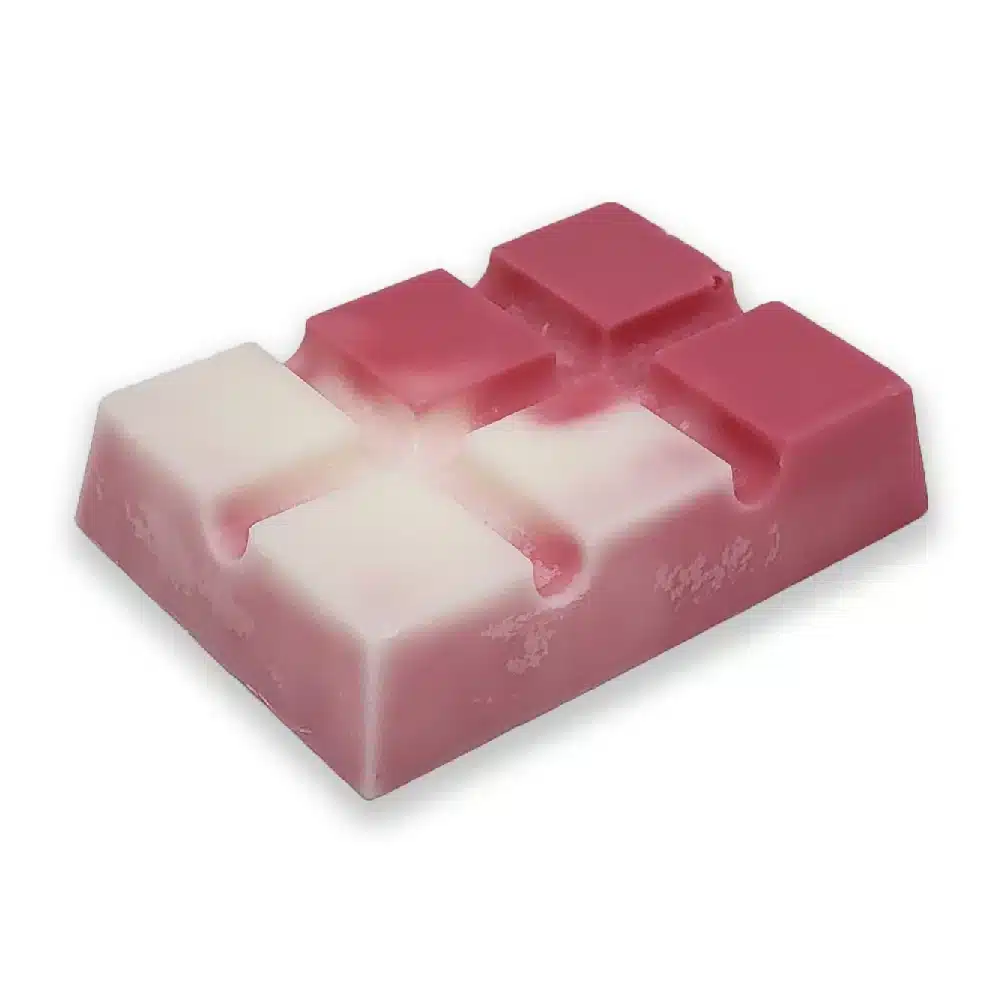
If your burning candle produces carbon mushrooming on the wick tip, your fragrance loading or wick size is too large. Ensure your fragrance ratio stays below 10% by weight, and always trim your wick to 5mm before every burn. If you enjoy flameless alternatives that bypass wicks entirely, explore Wax melts: Where to Buy Online in the UK and Where to Buy the Best Wax Melts Online in the UK.
Q: What is coconut wax made from?
A: Coconut wax is made by cold-pressing the meat of harvested coconuts and hydrogenating the extracted oil into a stable, clean-burning solid wax.
Q: Why do candle makers blend coconut wax with rapeseed wax?
A: Candle makers blend coconut wax with rapeseed wax because pure coconut oil has a low melting point that requires a firmer botanical wax for container stability.
Q: How long does a 220g coconut wax candle typically burn?
A: A standard 220g coconut wax candle burns for approximately 45 hours when trimmed and burned correctly in four-hour intervals.
Experience the Clean Burn of Botanical Wax
Choosing home fragrance should never require compromising on indoor air quality or settling for hidden petroleum fillers. At Mattys Candles, we pour every single candle and wax melt by hand in Nottingham using our proprietary blend of pure coconut and rapeseed wax. Discover how our clean, long-lasting fragrances elevate your living space by exploring our curated selection of hand-poured botanical candles today.

Sources
- Food and Agriculture Organisation / World Health Organisation. Codex Alimentarius: Standard for Named Vegetable Oils (CXS 210-1999). https://www.fao.org/fao-who-codexalimentarius/codex-texts/list-standards/en/
- TÜV Rheinland. Candle Product and Accessory Testing: EN 15426, EN 15493, EN 15494. https://www.tuv.com/taiwan/en/candle-product-and-accessory.html
- U.S. Consumer Product Safety Commission (CPSC). Candle Business Guidance and Safety Standards (ASTM F2417). https://www.cpsc.gov/Business–Manufacturing/Business-Education/Business-Guidance/Candles
Frequently Asked Questions
What is coconut wax?
Coconut wax is a natural, renewable candle wax made by cold-pressing raw coconut meat and hydrogenating the extracted oil into a solid form.
Is coconut wax better than soy wax?
Coconut wax holds fragrance more evenly than soy wax and burns cleaner without the surface frosting or tunneling common in soy candles.
Does coconut wax smell like coconuts?
Pure refined coconut wax is completely odourless because the filtration and hydrogenation process strips out all natural coconut aromas.
Can you make 100% pure coconut wax candles?
Pure 100% coconut wax has too low a melting point for freestanding candles, which is why makers blend it with firmer waxes like rapeseed.
Is coconut wax toxic to pets?
Unscented coconut wax is non-toxic to domestic pets, though owners should always ensure good ventilation when burning any scented product around animals.
How long do coconut wax candles last?
A standard 220g coconut wax blend candle burns for approximately 45 hours under proper wick trimming and care.