
How to Effectively Remove Cigarette Smell from Your Home
Lingering cigarette smoke can permeate every corner of a home, clinging stubbornly to walls, furniture, and fabrics. This pervasive odour isn’t just unpleasant; it can also be incredibly difficult to eradicate completely. However, with the right approach and a bit of persistence, it is entirely possible to remove cigarette smell and restore a fresh, clean atmosphere to your living space. This guide will walk you through proven methods, from deep cleaning to air purification, ensuring your home smells inviting once more.
Many people find the stale scent of cigarette smoke particularly off-putting, especially if they are non-smokers or are moving into a previously smoked-in property. The key to successful odour removal lies in understanding how smoke particles embed themselves in various materials. Therefore, a multi-faceted strategy is often required.
Understanding the Challenge: Why Cigarette Smell Lingers
Cigarette smoke is more than just an airborne scent; it’s a complex mixture of thousands of chemicals, many of which are microscopic tar and nicotine particles. When someone smokes indoors, these particles don’t just dissipate. Instead, they settle on every surface, forming a sticky, yellowish film.
This film is what causes the persistent, stale cigarette smell. It adheres to porous materials like carpets, upholstery, drapes, and even plasterboard, making it incredibly challenging to eliminate with simple airing out. The odour can even seep into hard surfaces like paint and wood.
Furthermore, the smell can reactivate with humidity, meaning a seemingly clean room can suddenly smell stale again after a rainy day. This resilience necessitates a thorough and systematic cleaning process. Understanding this stubborn nature is the first step towards effective odour eradication.
Initial Steps to Tackle Cigarette Odour
Before diving into deep cleaning, there are essential preliminary steps to take. Firstly, open all windows and doors to ventilate the space as much as possible. This helps to air out some of the trapped odours and introduces fresh air.
Secondly, identify and remove all obvious sources of the smell. This includes emptying ashtrays, disposing of old cigarette butts, and removing any heavily smoke-stained items that cannot be cleaned, such as old curtains or cushions beyond repair. Many items might need to be discarded if the smell is too deeply ingrained.
Finally, consider removing all soft furnishings that can be laundered or professionally cleaned. This includes curtains, cushion covers, and throws. Addressing these items separately will make the main cleaning task much more manageable and significantly impact your ability to remove cigarette smell effectively.
Deep Cleaning: Targeting Surfaces and Fabrics
Once the initial preparation is complete, the real work begins with deep cleaning every surface in your home. This is arguably the most crucial step in eliminating entrenched cigarette odours. Start from the top down, meaning ceilings first, then walls, and finally floors.
For hard surfaces like walls, ceilings, and wooden furniture, a strong cleaning solution is necessary. A mixture of white vinegar and water (equal parts) is often effective, as vinegar is a natural deodoriser. Alternatively, a solution of warm water and a good quality all-purpose cleaner can work wonders. Remember to test any cleaning solution on an inconspicuous area first to prevent damage or discolouration.
Wipe down every washable surface meticulously, paying particular attention to corners and crevices where tar and nicotine residues might accumulate. You might be surprised by the yellowish-brown residue that comes off, even from seemingly clean surfaces.
Tackling Soft Furnishings and Textiles
Soft furnishings are notorious for absorbing smoke odours. For washable items like curtains, bedding, and smaller rugs, launder them on the hottest setting suitable for the fabric, adding a cup of white vinegar to the wash cycle. This helps to neutralise odours.
For larger items like carpets and upholstered furniture, professional cleaning is often the best option. Professional services have industrial-strength equipment and cleaning agents designed to penetrate deeply and extract embedded smoke particles. If professional cleaning isn’t feasible, consider renting a carpet cleaner and using an odour-neutralising solution. Make sure to let everything dry thoroughly to prevent mildew.
Don’t forget to clean inside cupboards and drawers, as smoke can penetrate these areas too. Wipe down all shelves and interiors, and consider placing odour absorbers inside to continue the deodorising process. This comprehensive approach is vital to remove cigarette smell entirely.
Odour Neutralisation and Air Purification
Even after extensive cleaning, some residual scent might linger, or you might want to prevent future odours. This is where odour neutralisers and air purification come into play. These methods don’t just mask smells; they actively break down or absorb odour molecules.
One highly effective natural deodoriser is activated charcoal. Place bowls of activated charcoal around the affected rooms; it’s incredibly porous and absorbs airborne odours without adding any scent itself. Baking soda is another excellent option; sprinkle it on carpets and upholstery, let it sit for several hours (or overnight), and then vacuum it up.
Air purifiers with HEPA and activated carbon filters are also invaluable. The HEPA filter catches particulate matter, while the carbon filter absorbs gaseous pollutants and odours. Running these continuously can significantly improve air quality and help to eliminate any remaining stale cigarette smell over time.
The Power of Aromatic Enhancers for Freshness
Once the core cleaning and neutralisation are complete, you can introduce pleasant aromas to further enhance the freshness of your home. However, it’s crucial not to use air fresheners to simply mask the smell during the cleaning process, as this will only create a more complex and unpleasant odour.
Instead, once the underlying smell is gone, consider high-quality candles and wax melts. Matty’s Candles, for example, offers a beautiful range of premium candles made with a luxurious blend of coconut wax and rapeseed wax. These vegan, soy-free, and paraffin-free options burn cleanly and release sophisticated fragrances that can truly transform your home’s atmosphere. Imagine the cosy scent of ‘Warm Amber & Cedarwood’ replacing any lingering staleness.
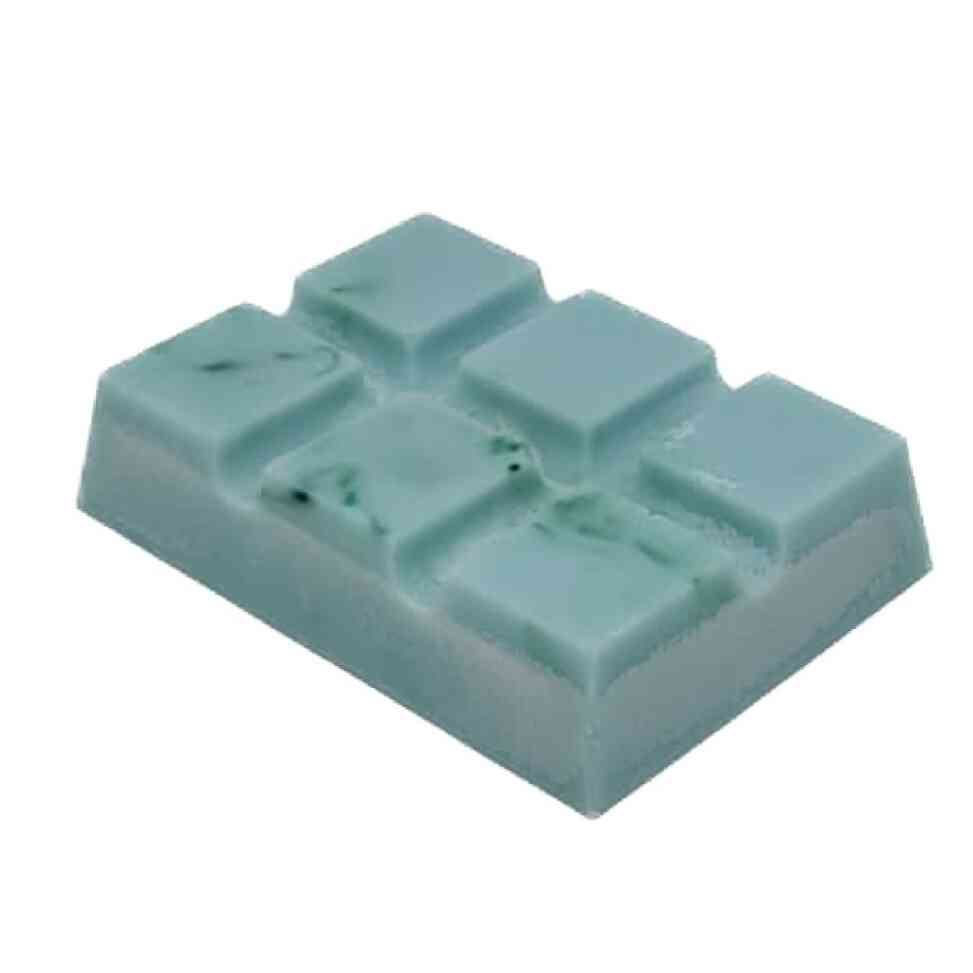
Similarly, wax melts provide a flameless alternative, releasing continuous fragrance when warmed. They are perfect for maintaining a consistently fresh and inviting scent. Explore the diverse range of Matty’s Candles wax melts to find your perfect aroma. These products are designed to enhance your home’s ambience, not cover up underlying issues.
Advanced Strategies and Professional Help
In some severe cases, particularly in properties where smoking has occurred for many years, standard cleaning methods might not be enough. The tar and nicotine can penetrate deeply into structural elements like drywall, subflooring, and even the HVAC system. In these situations, more drastic measures might be necessary.
Consider sealing walls and ceilings with an odour-blocking primer before repainting. These primers are specifically designed to lock in stubborn odours, preventing them from leaching back into the air. Repainting with two coats of fresh paint after priming can make a significant difference. Furthermore, cleaning or replacing HVAC filters is crucial, as the system can circulate smoky air throughout the entire property.
For truly persistent odours, professional odour remediation specialists can be invaluable. They use industrial-grade equipment, such as ozone generators or hydroxyl generators, to neutralise smoke molecules at a molecular level. While effective, ozone generators must be used with extreme caution and only by trained professionals, as ozone can be harmful to humans and pets in high concentrations.
Preventing Future Cigarette Odours
Once you’ve successfully managed to remove cigarette smell, the next logical step is to ensure it doesn’t return. The most straightforward solution, of course, is to establish a strict no-smoking policy indoors. Encourage any smokers to use outdoor areas exclusively.
If indoor smoking is unavoidable, designate a specific, well-ventilated area for it. Ensure there’s adequate airflow, perhaps with an extractor fan or by always keeping a window open. Provide proper ashtrays that can be easily cleaned and emptied frequently.
Regular ventilation and cleaning routines will also help. Frequently airing out rooms, washing soft furnishings, and wiping down surfaces will prevent any new odours from becoming deeply ingrained. Incorporating products like Matty’s Candles’ coconut and rapeseed wax candles can also help maintain a pleasant atmosphere, but remember, they are best used once the underlying odour is gone.
The Importance of Thoroughness
Removing cigarette smell is not a quick fix; it requires patience, thoroughness, and a systematic approach. Every surface, every fabric, and every nook and cranny must be addressed. Rushing the process or skipping steps will likely lead to residual odours that re-emerge over time.
Think of it as an investment in your home’s air quality and overall comfort. A fresh-smelling home is a more inviting and healthier living environment. By following these comprehensive steps, you can confidently eliminate even the most stubborn cigarette odours.
For those looking to maintain a beautiful fragrance in their newly refreshed home, remember Matty’s Candles’ commitment to quality. Our coconut and rapeseed wax products offer a clean burn and exquisite scents, perfect for creating an ambient space. Explore our full collection today: Matty’s Candles.
Frequently Asked Questions About Removing Cigarette Smell
How long does it take for cigarette smell to go away?
The time it takes for cigarette smell to dissipate varies greatly depending on the extent of smoking, the materials in the room, and the cleaning methods used. With thorough deep cleaning, ventilation, and odour neutralisation, significant improvement can be seen within days to weeks. However, deeply embedded smells in porous materials might take several months or even require professional intervention to fully resolve.
Does painting over cigarette smell work?
Simply painting over cigarette smell without proper preparation is usually ineffective. The tar and nicotine can bleed through fresh paint, causing the odour to return. For best results, walls and ceilings should be thoroughly cleaned first, then primed with an odour-blocking primer specifically designed for smoke damage, and finally painted with two coats of fresh paint.
Can air purifiers completely remove cigarette smell?
Air purifiers, especially those with activated carbon filters, are highly effective at removing airborne smoke particles and odours. However, they cannot remove the smell that has already absorbed into surfaces, fabrics, and furniture. They are best used as part of a comprehensive cleaning strategy, alongside deep cleaning and odour neutralisation, to maintain air quality and tackle residual smells.
Is it possible to remove cigarette smell from a car?
Yes, it’s possible to remove cigarette smell from a car, but it requires a similar thorough approach to a home. This involves vacuuming and shampooing upholstery and carpets, cleaning all hard surfaces (dashboard, doors, windows) with an automotive cleaner, replacing the cabin air filter, and using odour neutralisers like activated charcoal or specific car odour eliminators. Professional car detailing can also be very effective.
What are the best natural remedies to remove cigarette smell?
Several natural remedies can help remove cigarette smell. White vinegar is excellent for wiping down hard surfaces and adding to laundry. Baking soda can be sprinkled on carpets and upholstery to absorb odours. Activated charcoal placed in bowls around the room is a highly effective, passive odour absorber. Fresh coffee grounds can also help neutralise stale smells, though they introduce their own distinct aroma.